|
|
Last
Modified on
Jul 02, 2026
A New York Times investigation published June 21, 2026 laid out a case I see in my own files every month: American vehicles have grown bigger, heavier and more upright over the past two decades, and the people they hit are absorbing the difference.
The short answer is this: if a larger, heavier, taller vehicle hits you today, the injury is almost always worse than the same crash would have produced in 2005 – and the legal steps you take in the first 48 hours can determine whether you recover full compensation or walk away with nothing. I’ve handled roadway injury claims in Louisiana for almost thirty years.
The vehicles hitting my clients today aren’t the vehicles that hit them in 2005. They’re taller. They’re heavier. They hit higher on the body, where the damage doesn’t stay contained to a broken leg.
How Much Bigger Have Cars, SUVs and Trucks Gotten?
The numbers back up what any personal injury lawyer notices just by looking at photos clients provide when they first discuss their case. According to the Insurance Institute for Highway Safety (IIHS), the average U.S. passenger vehicle has gained roughly:
- 4 inches in width
- 10 inches in length
- 8 inches in height
- 1,000 pounds in curb weight
That’s over the past 30 years, not the past 100. Pickup trucks alone are up about 27% in weight since 1975. The shift toward SUVs and pickups hasn’t slowed, either; sales and leases of those vehicles rose about 50% between 2012 and 2022, while pedestrian deaths involving SUVs, pickups and vans rose about 77% over the same stretch.
The vehicle that hits you today is bigger in every dimension than the one that would have hit you in 2005, and the New York Times investigation ties that growth directly to a rise in pedestrian and occupant fatalities nationwide.
Why Does a Bigger Vehicle Mean a Worse Injury?
Two separate mechanisms are at work, and I think it’s worth separating them because they matter differently depending on who you are in the crash.
Height and front-end shape hurt pedestrians and cyclists worst. IIHS research published in November 2023 found that pickups, SUVs and vans with a hood height above 40 inches were about 45% more likely to cause a pedestrian fatality than cars with a hood height of 30 inches or less and a sloped front end. Blunt, vertical front ends made things worse again, even at medium heights. Why? A tall, flat hood strikes an adult in the torso or head instead of the legs. That’s not a fender-bender injury. That’s a chest, spine or brain injury.
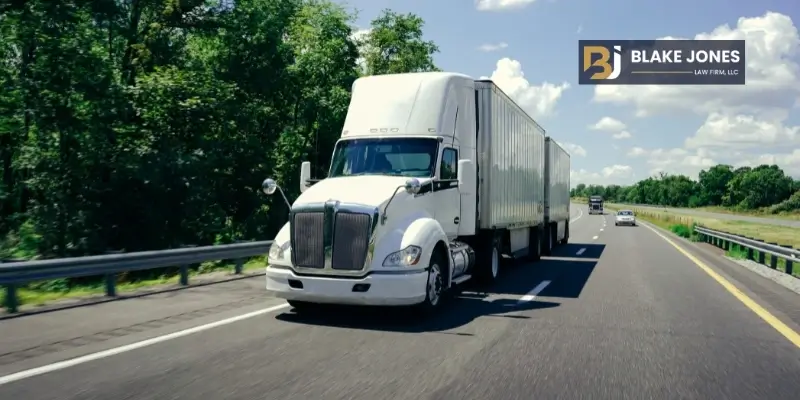
Weight and mass disparity hurt the occupants of the smaller vehicle. When a heavier vehicle collides with a lighter one, physics doesn’t care who had the green light. The heavier vehicle transfers more force into the lighter one, and the occupants of the lighter vehicle absorb it. A fully loaded tractor-trailer can weigh up to 80,000 pounds under federal weight limits. A typical sedan weighs around 3,000 to 3,500 pounds. That’s not a fair fight. It never was.
Put the two together, and you get what the Times documented: pedestrian deaths up 80% since bottoming out in 2009, with nearly 7,400 pedestrians killed in 2021 alone – more than 20 people a day.
Why am I passionate about this?
A good friend of mine was hit by a car while she walked across a street in Houston. The driver claimed he never saw her. Her pelvis was fractured and she was in a wheelchair for months. She still doesn’t walk without a limp and has pain that will never go away. These types of injuries aren’t abstract to me; they’re real and personal.
What to Do After a Wreck With an SUV or Pickup Truck
If you’re hit by a tall, blunt-nosed vehicle, don’t assume you’re fine just because you walked away from the scene. Injuries from these crashes run higher on the body and hit harder than what an older, lower vehicle would have caused at the same speed.
Here’s what I tell clients to do:
- Get checked out, even if you feel okay. Head, chest and spine injuries from a high-front-end impact don’t always announce themselves right away. Adrenaline masks pain for hours.
- Photograph the vehicle that hit you: the front end, the make and model badge, the license plate, and any damage. The height and shape of that vehicle will matter later if we’re proving how the injury happened.
- Get the other driver’s insurance and contact information, and get names and numbers for any witnesses before they leave.
- Don’t give a recorded statement to the other driver’s insurance company before talking to an attorney. As of January 1, 2026, Louisiana bars you from recovering anything if you’re found 51% or more at fault under La. Civ. Code art. 2323, and early statements are exactly how insurers try to push that number past the line. I’ve written about how comparative fault works in Louisiana if you want the details.
- Don’t accept a quick settlement offer. Insurers move fast on big-vehicle crashes precisely because the injuries tend to be worse, and a fast check is usually a low check.
The steps you take in those first hours often decide how strong the claim is weeks later.
What to Do After a Wreck With an 18-Wheeler
Truck crashes carry their own urgency, and it’s a different kind of urgency than a car-versus-car claim. The clock starts running the moment the wreck happens, and it isn’t on your side.
- Get medical care immediately. Injuries from an 80,000-pound vehicle are rarely minor, and the medical record you create in the first 24 hours matters for your claim later.
- Photograph the truck’s cab door and the USDOT number painted on it. That number identifies the motor carrier, and it’s often the fastest way to pin down who’s actually responsible before the truck leaves the scene.
- Call an attorney fast, within days, not weeks. Trucking companies aren’t required to hold onto black box and electronic control module data forever, and some of it can be overwritten within a week if the truck goes back into service or gets repaired. My office sends a spoliation letter immediately, putting the carrier on formal notice to preserve that data before it’s gone.
- Don’t talk to the trucking company’s insurance adjuster. They call fast, and they talk friendly, but they’re building a file to minimize what the carrier owes.
- Ask about the carrier’s safety history. Some carriers restructure or rebrand specifically to bury a bad safety record. I’ve written about how chameleon carriers hide their history, and it’s worth knowing before you assume the company you’re dealing with is the one on the door.
Federal law requires most general-freight motor carriers to carry at least $750,000 in liability insurance under 49 C.F.R. § 387.9, not the $1 million figure I sometimes hear clients repeat. Hazardous-materials carriers must carry more based on their cargo.
Either way, that insurance exists because Congress and federal regulators recognize the same thing the New York Times investigation and IIHS research show: a vehicle that size does damage that a passenger car simply can’t.
Frequently Asked Questions
Does a heavier vehicle always cause a more severe injury in a crash?
Usually, but not for the reason most people assume. Weight matters most in vehicle-to-vehicle crashes, where the heavier vehicle transfers more force into the lighter one. For pedestrians and cyclists, a vehicle’s height and front-end shape often matter more than its weight; a tall, blunt hood causes worse injuries than a low, sloped one even at similar speeds.
How long do I have to file a claim after a Louisiana crash with an SUV or commercial truck?
Louisiana’s general personal injury prescription period is two years from the date of the crash, and it’s shorter than most people expect. Evidence in truck cases, like black box data, can disappear even faster than that deadline. Call an attorney right away. Don’t wait to see how you feel.
What should I photograph at the scene after a crash with a large truck?
Photograph the truck’s cab door to capture the USDOT number – that identifies the motor carrier. Also photograph the front end and any damage to both vehicles, the license plate, and the road conditions. If there are skid marks or debris, photograph those too. I’ve seen cases won and lost on those first-scene photos alone.
Can I still recover damages if I was partially at fault for the crash?
In Louisiana, yes – but only up to a point. Under the modified comparative fault rule that took effect January 1, 2026, you’re barred from any recovery if you’re found 51% or more at fault. If you’re 50% or less at fault, your recovery is reduced by your percentage. That’s why recorded statements to the other driver’s insurer are so dangerous: they’re often used to push your fault percentage over that line.
How long does a trucking company have to preserve black box data after a crash?
There’s no single federal rule that mandates a specific preservation window, but electronic logging device and engine control module data can be overwritten within days once a truck goes back into service. My office sends a spoliation letter to the carrier within days of being retained – sometimes within hours. If you wait weeks to hire an attorney, that data may be gone.
Are SUV and pickup truck drivers more likely to be found at fault when they hit a pedestrian?
Fault still turns on the specific facts of the crash – speed, visibility, right of way, and driver inattention. But the size and front-end design of the vehicle matters when calculating damages. A taller, blunter vehicle causes more severe injuries at the same speed, and a jury seeing the injury evidence alongside those vehicle specs tends to respond accordingly.
I’ve watched vehicle size creep up for two decades, and I’ve watched the injuries get worse alongside it. That’s not a coincidence, and it’s not just a talking point in a newspaper investigation. It’s the physics of a heavier, taller vehicle meeting a human body that hasn’t changed size at all.
On the land, on the water or on the roadways of America – we will fight for you.
Sources
- Michael H. Keller, Eli Murray, Danielle Ivory and Irineo Cabreros, The Deadly Rise of Giant Trucks and S.U.V.s, The New York Times (June 21, 2026)
- Insurance Institute for Highway Safety, Vehicles with higher, more vertical front ends pose greater risk to pedestrians (Nov. 14, 2023)
- Insurance Institute for Highway Safety, Vehicle size and weight
- Federal Motor Carrier Safety Administration, Large Truck and Bus Crash Facts
- 49 C.F.R. § 387.9, Minimum levels of financial responsibility for motor carriers
- La. Civ. Code art. 2323 (Louisiana modified comparative fault, 51% bar, effective Jan. 1, 2026)
Injured in an SUV or Truck Accident in Louisiana? Get a Free Consultation Today.
Call 504-500-1234 or reach out online. No fee unless we win your case.
Contact Blake Jones Law Firm →